Hotels & tables
Where we sleep, and where we eat
Every property and every restaurant below is booked in advance and named in the itinerary. Each one links to the house's own site, so you can look before you go.
The properties
Places we sleep
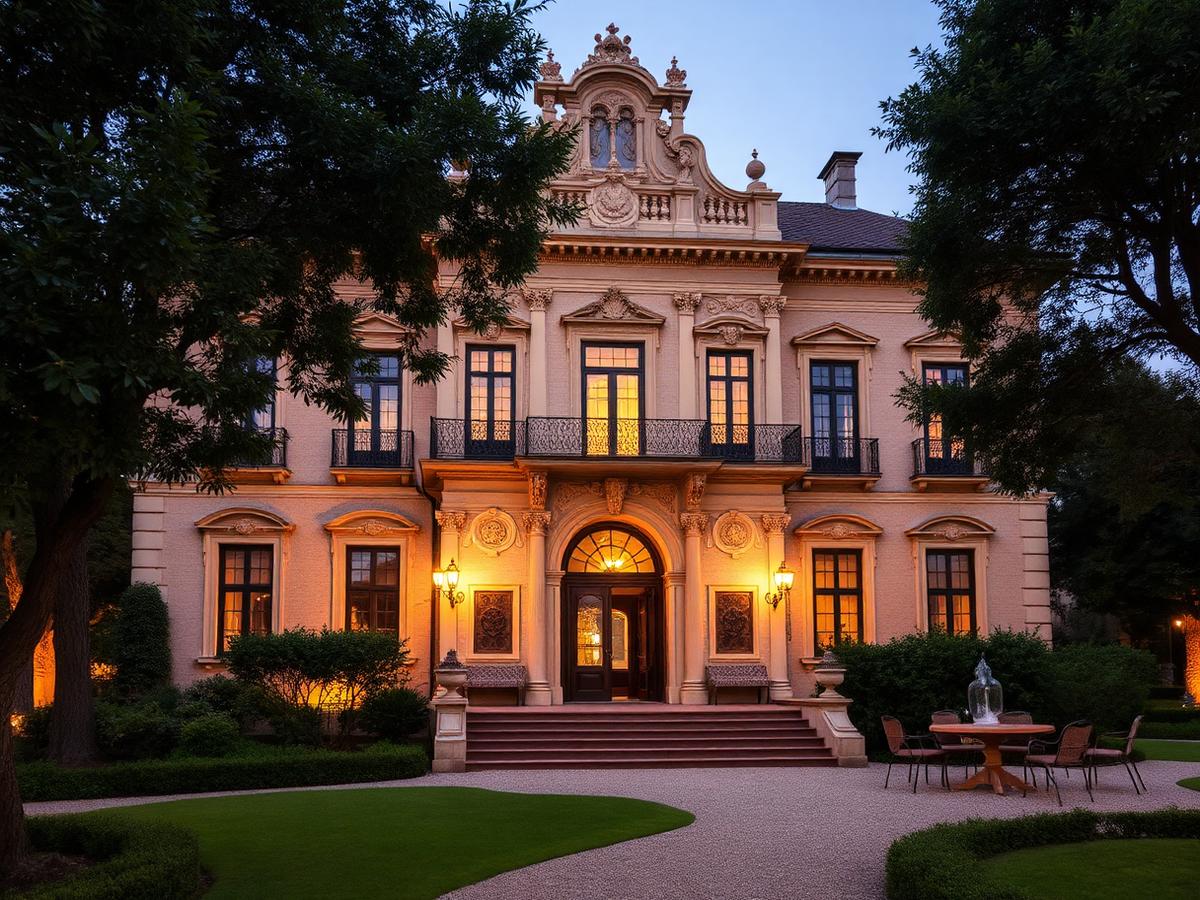
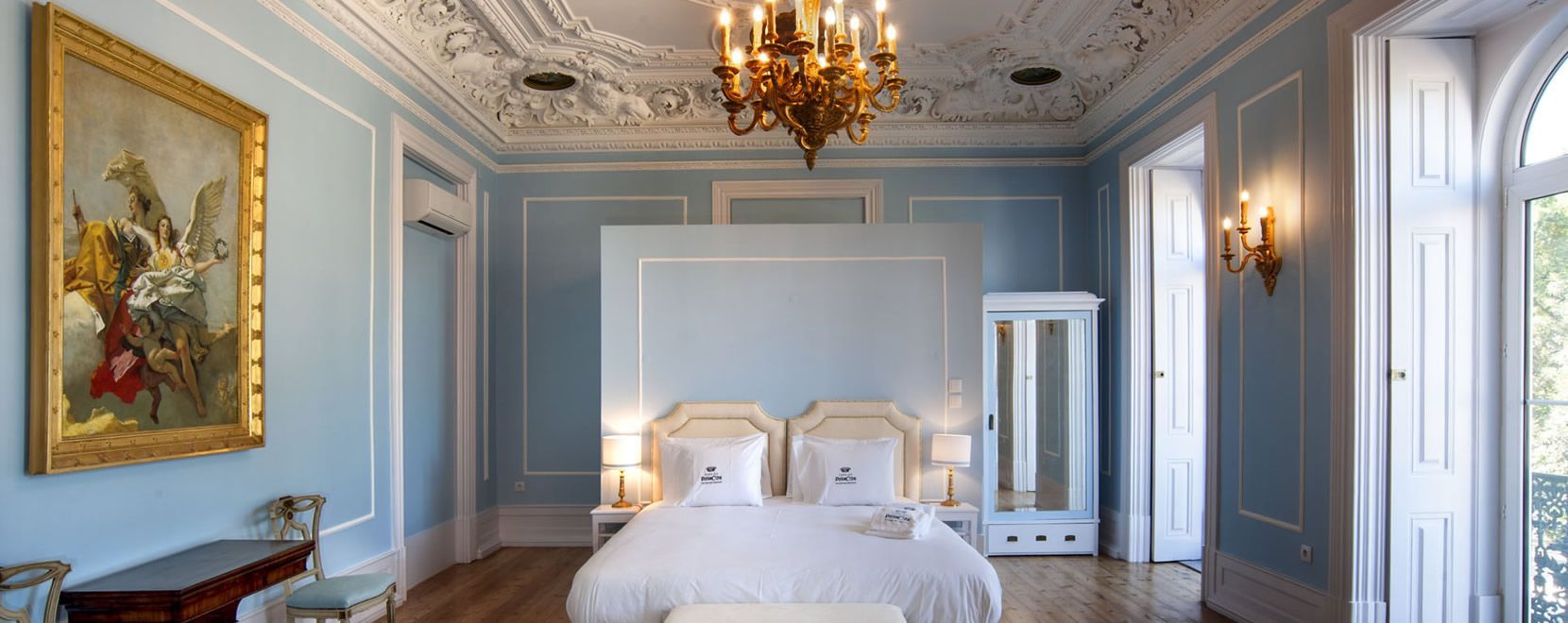
Casa do Príncipe
Praça das Flores, LisbonA Pombaline townhouse on a square of jacarandas
Our first and last nights are spent here, in a restored eighteenth-century house on Praça das Flores in Príncipe Real — high ceilings, original stone stairs, ten rooms and no lobby noise. It sits ten minutes' walk above Bairro Alto, which means you can walk down to dinner and take a taxi back up.
Nights 1, 2 and 10Visit website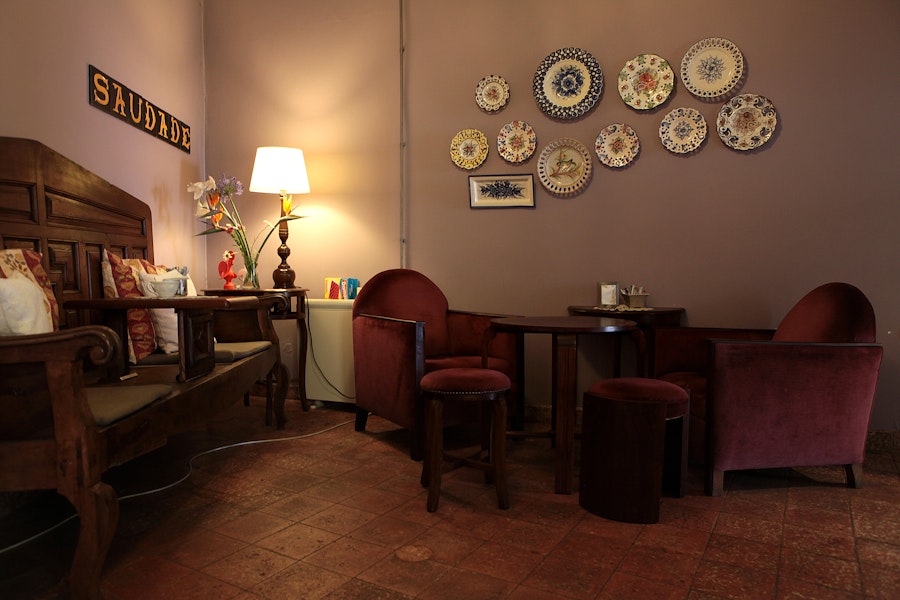
Chalet Saudade
SintraA nineteenth-century chalet in the historic centre
Nine rooms in a restored Romantic-era house a short walk from the National Palace, with the original tiled floors and a garden terrace. Mornings here are often above the mist, with the Moorish castle appearing and disappearing on the ridge.
Night 3Visit website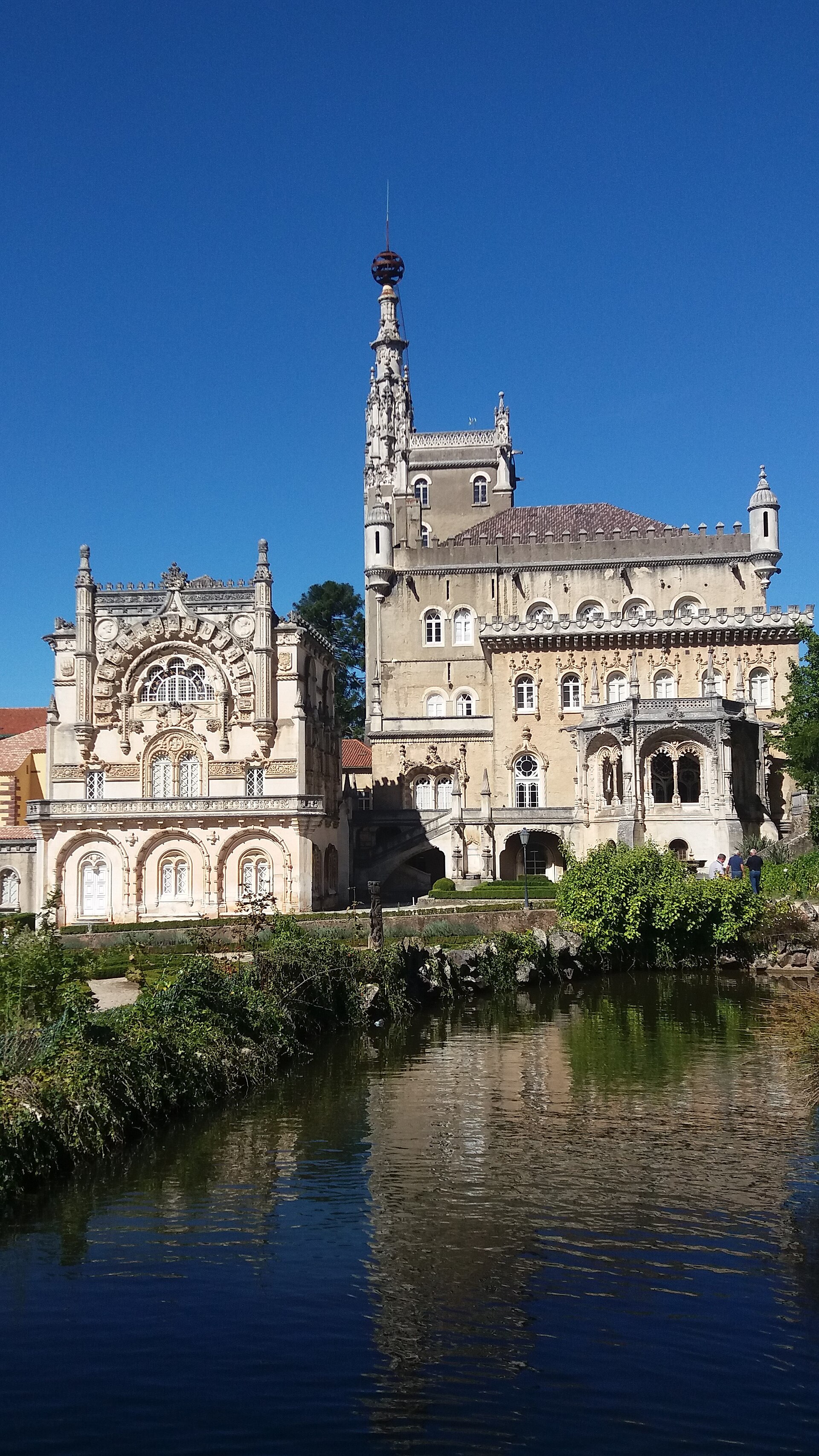
Palace Hotel do Bussaco
Serra do BuçacoA royal hunting palace in a monastic forest
Built between 1888 and 1907 as the last summer palace of the Portuguese monarchy, in an exuberant Neo-Manueline style by the Italian scenographer Luigi Manini, and set inside a walled forest planted by Carmelite monks with species carried home from the voyages. Azulejo panels of the Discoveries run the length of the staircase. We stay one night, and dinner is served under the painted ceilings with wine from the hotel's own Bussaco cellar.
Night 4Visit website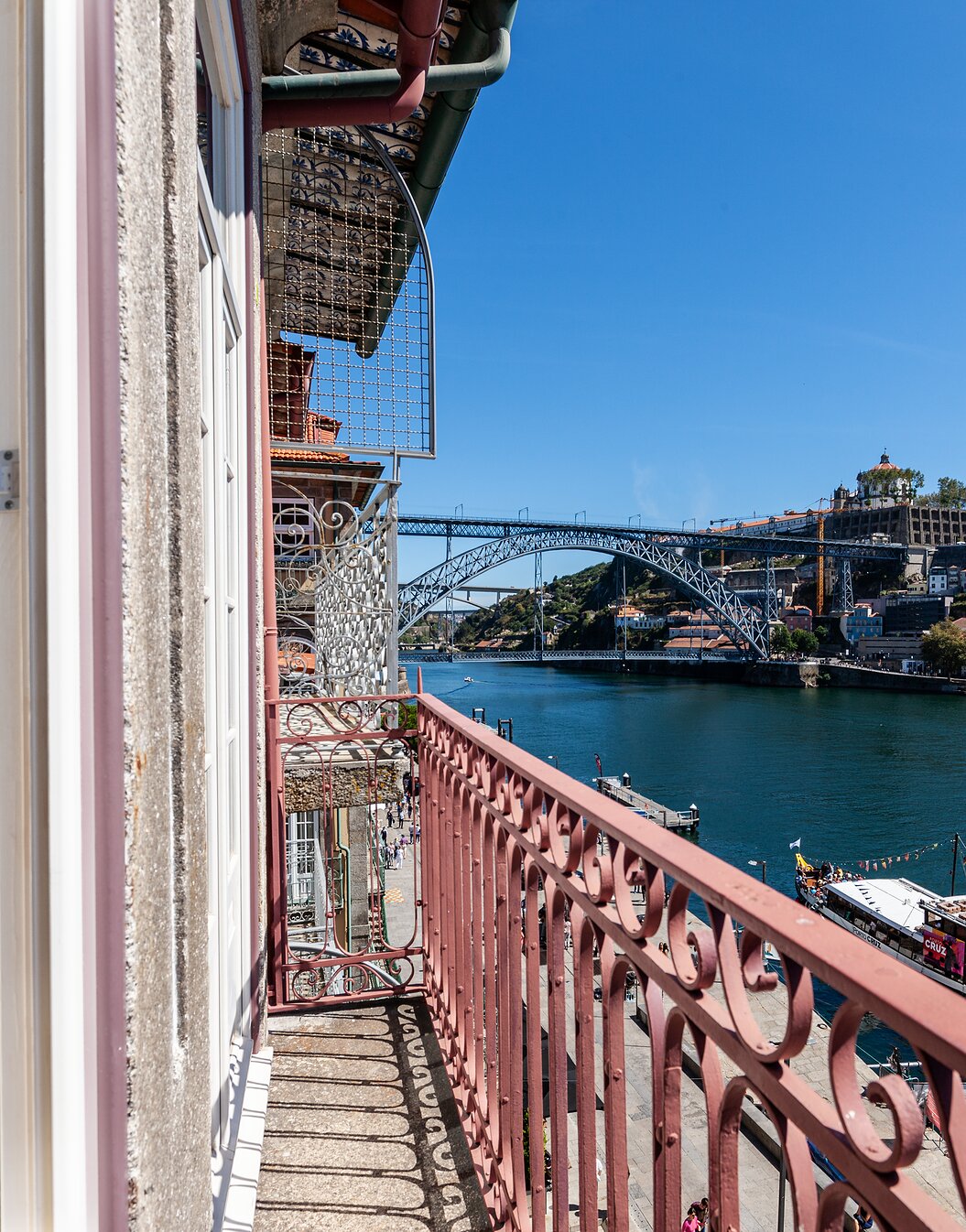
Pestana Vintage Porto
Ribeira, PortoOn the river, inside the World Heritage quarter
A row of twelve restored merchants' houses on the Douro quay, facing the port lodges of Gaia across the water. The Ribeira, São Bento station and the Dom Luís I bridge are all on foot from the door, and the tram to Foz passes the corner.
Nights 5 and 6Visit website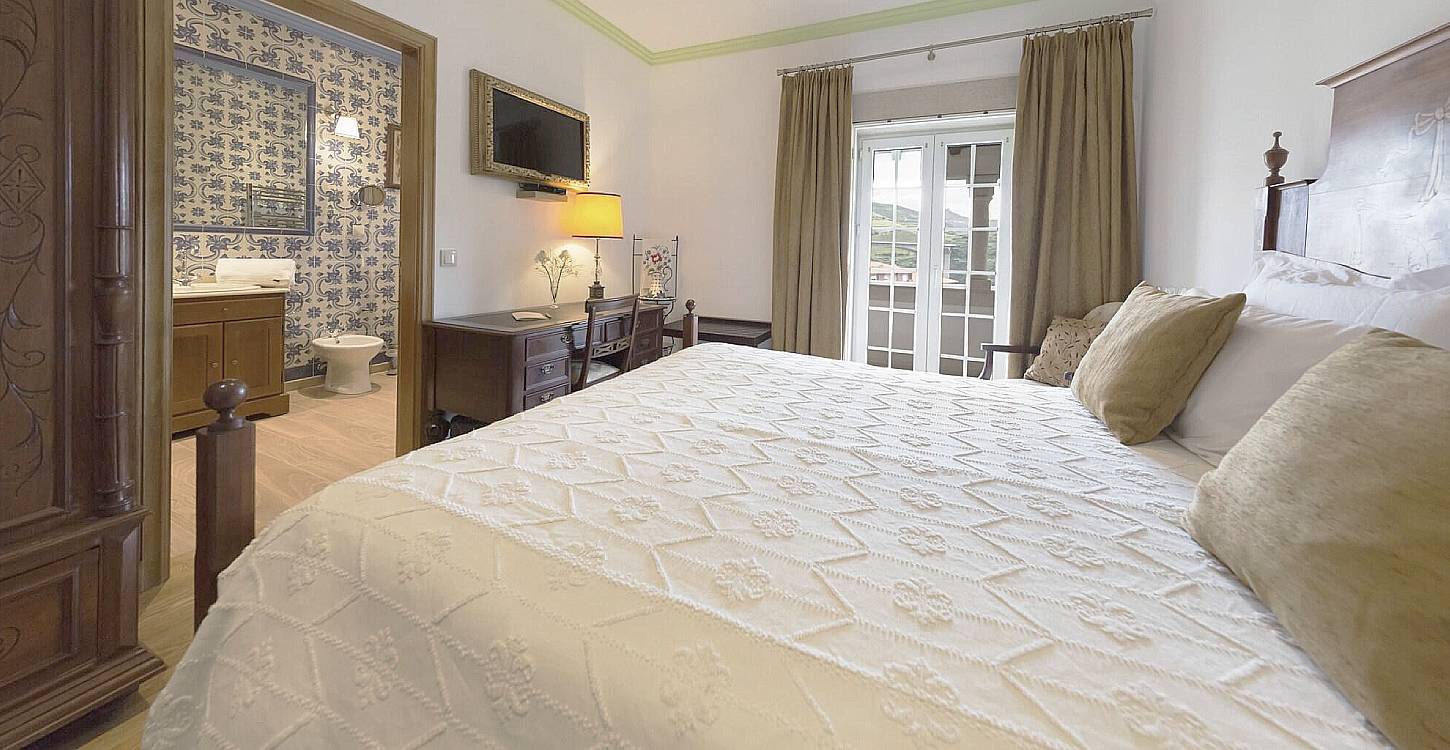
Casa de São Domingos
Peso da Régua, DouroA manor house among the terraces
Our base for two nights in the valley — an eighteenth-century quinta house with a pool looking over the vines, ten minutes from the river and the Douro Museum. Breakfast is taken on the terrace, and the family still makes wine on the property.
Nights 7 and 8Visit website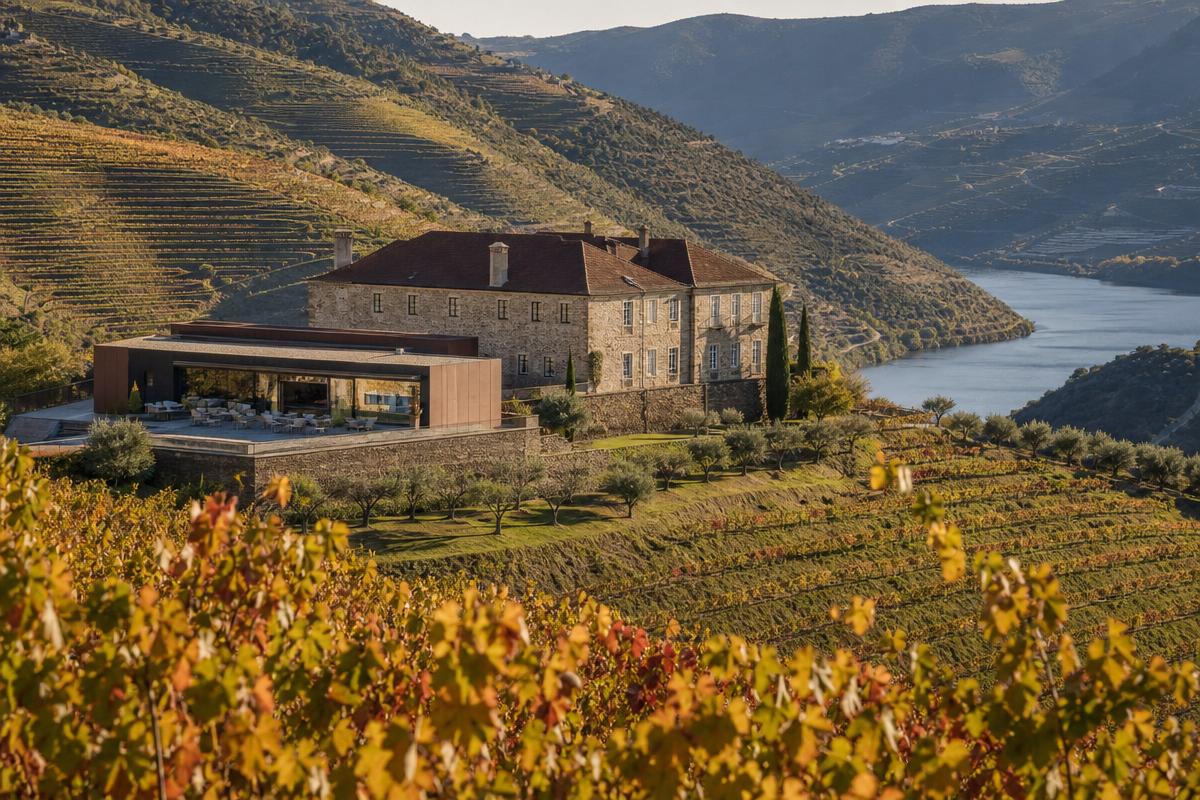
Quinta de Vallado
Régua, Douro ValleyA wine estate with a modern wing
Founded in 1716 and owned by the Ferreira family, Quinta de Vallado is one of the oldest wine estates in the Douro Valley. Its boutique hotel sits in a restored manor house with a striking contemporary annex, surrounded by vineyards that climb the schist hills above the river. The winery, pool, and gardens are all on site.
Alternative Douro stayVisit website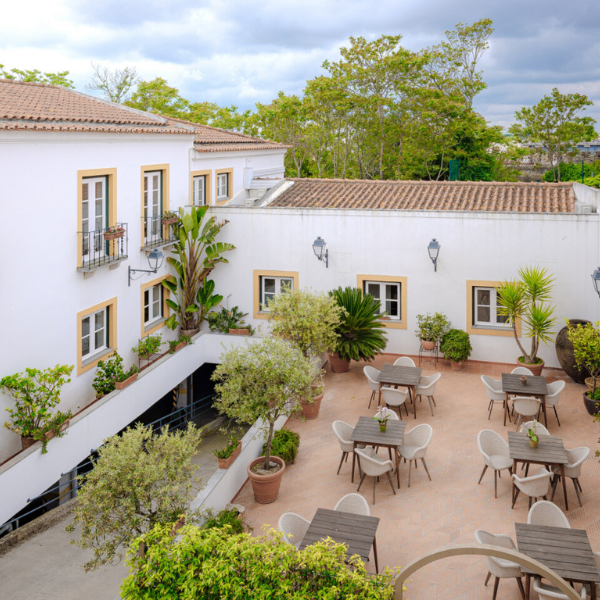
Albergaria do Calvário
ÉvoraA converted olive-oil mill inside the walls
Quiet, whitewashed and family-run, just inside Évora's medieval walls and a few minutes from the Roman temple. Its breakfast — regional cheeses, breads, honey and preserves from named Alentejo producers — is locally famous and worth getting up for.
Night 9Visit website
The tables
Where the evenings happen
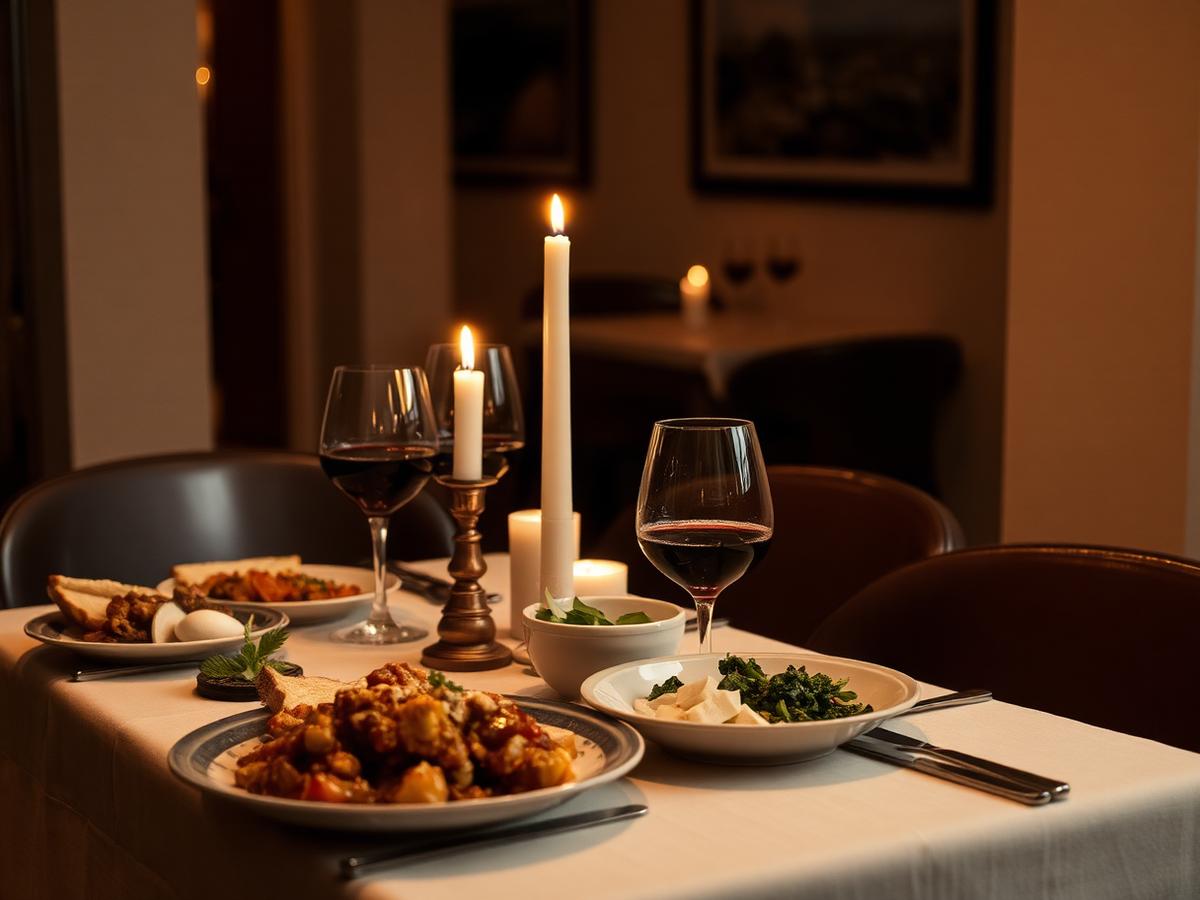
Rosa da Rua
Bairro Alto, LisbonMarket cooking, no printed menu
A small room where the kitchen cooks whatever the market gave up that morning and tells you about it at the table — one price, several courses, Portuguese wine by the glass. Our first dinner together, chosen because it makes conversation easy.
Dinner, day 1Visit website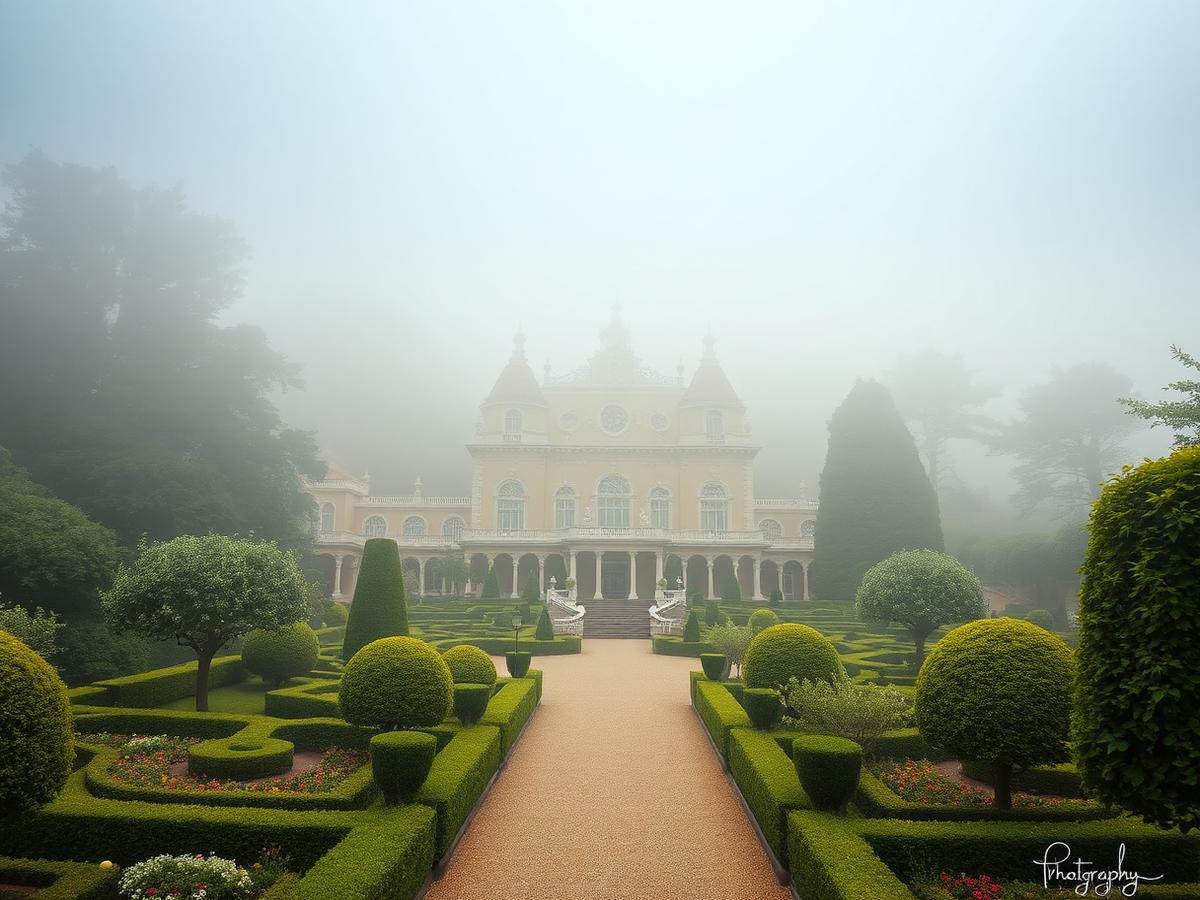
Incomum by Luís Santos
SintraThe village kitchen that outgrew the village
Luís Santos cooks a precise, contemporary Portuguese menu a few steps from Sintra's station — the tasting menu with wine pairings is the reason we come down from the hill rather than eat at the hotel.
Dinner, day 3Visit website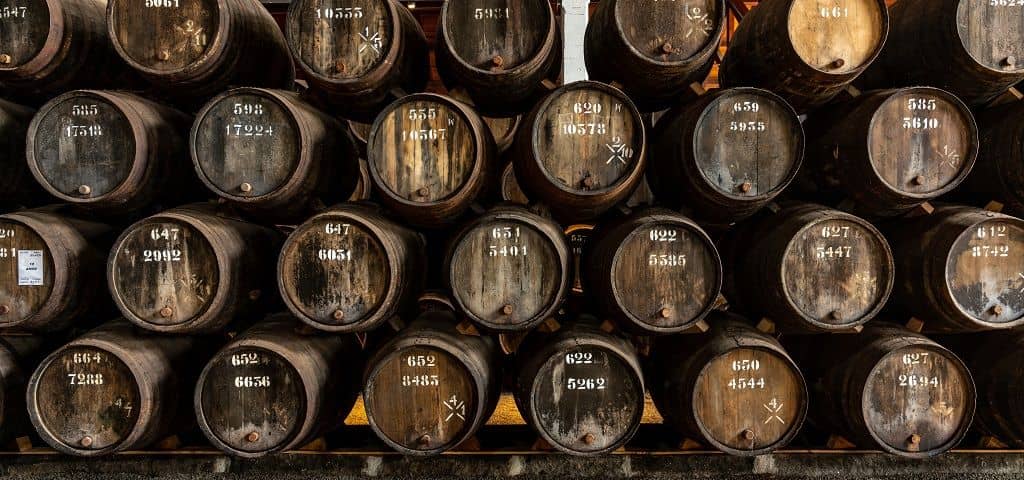
Taylor's Port Lodge
Vila Nova de GaiaCellars in use since 1692
The oldest of the founding British port houses, still independent and family-run. We walk the ageing lodges where tawnies sit in seasoned oak for decades, then taste across the styles on the terrace above the river.
Visit and tasting, day 5Visit website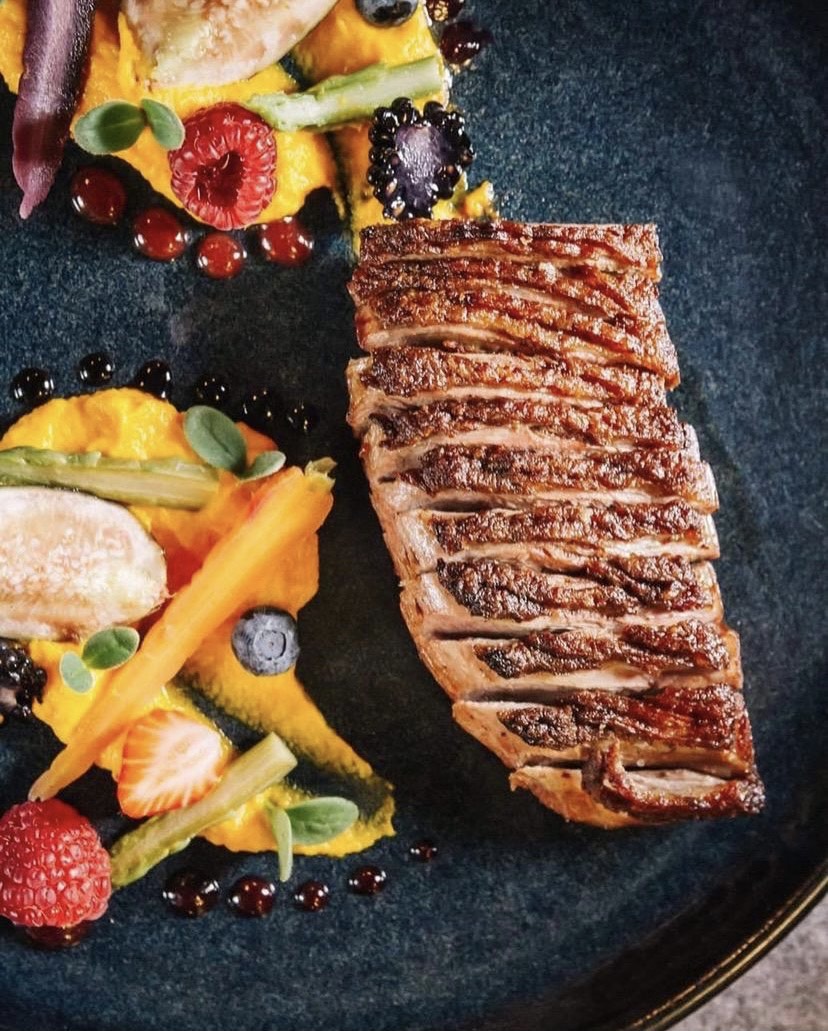
Tapabento
Behind São Bento station, PortoSmall, loud, and impossible to book
Seafood and sharing plates in a room roughly the size of a railway carriage, tucked under the station wall, with one of the best-chosen lists in the north. Book weeks ahead — we already have.
Dinner, day 5Visit website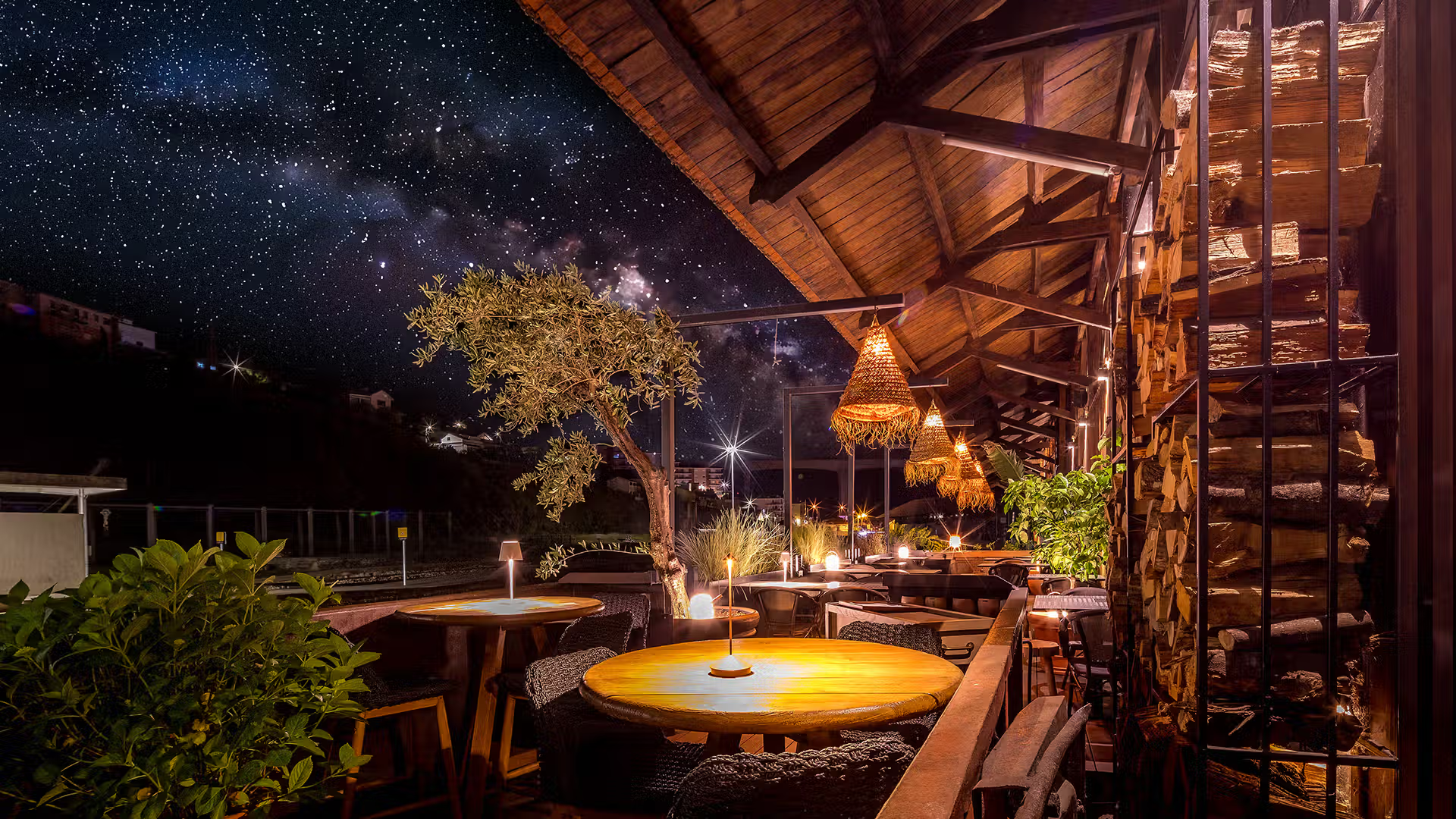
Castas e Pratos
Peso da RéguaA railway warehouse turned wine cellar
A restored wooden goods shed beside the Douro line, with several thousand references in the cellar downstairs and modern Douro cooking upstairs among the roof beams. The wine list alone takes twenty minutes to read.
Dinner in the valleyVisit website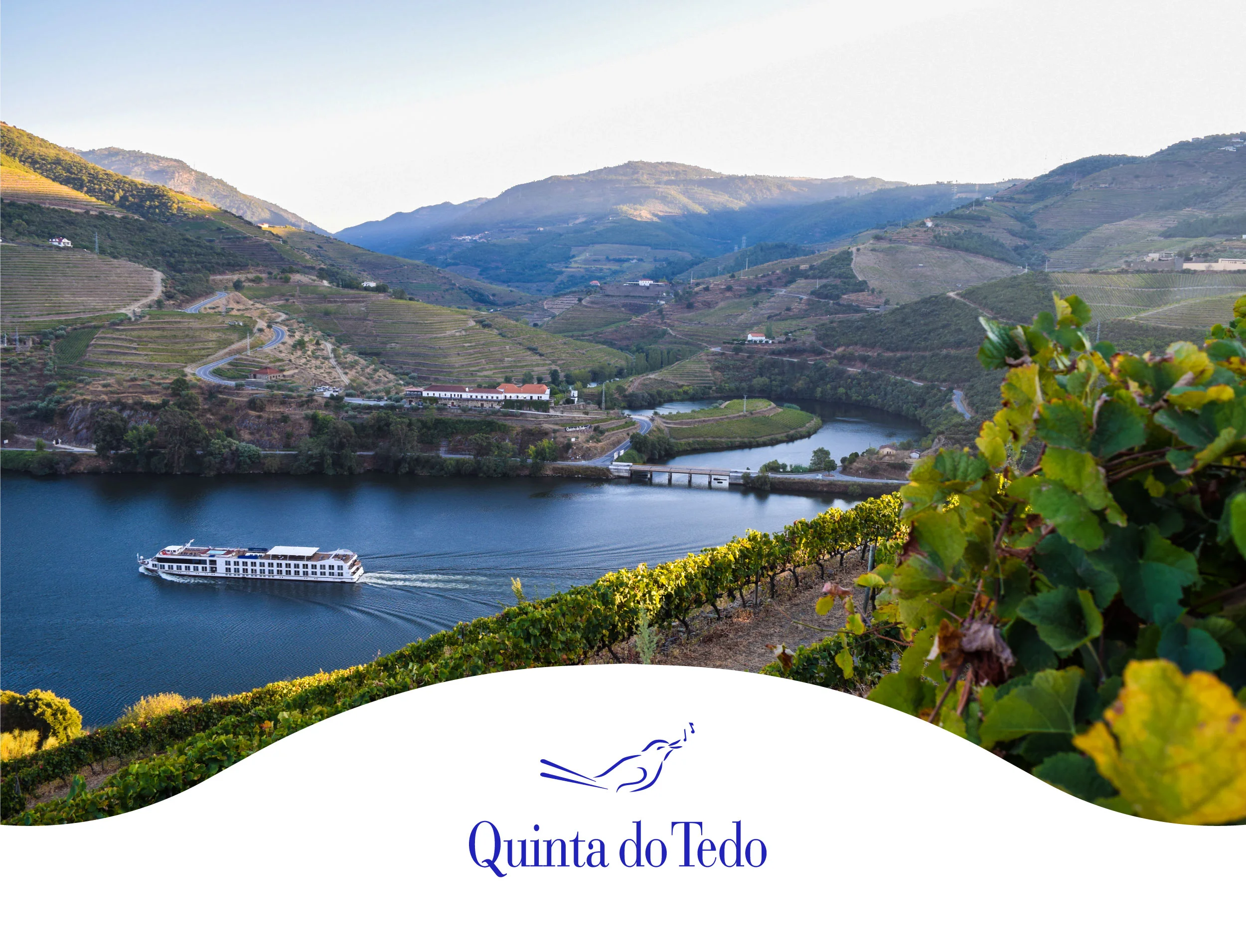
Quinta do Tedo
Douro ValleyLunch inside a working cellar
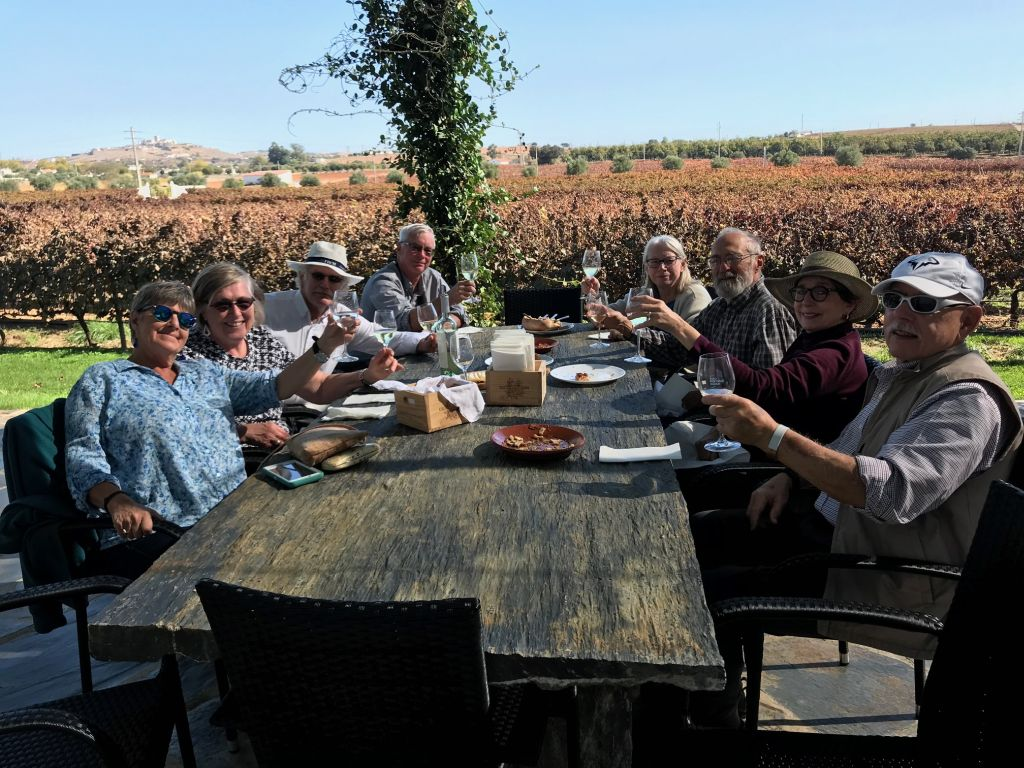
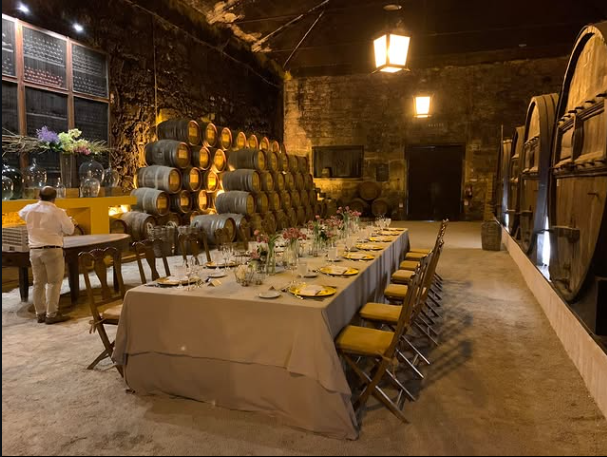
An organic, family-owned quinta on the spur where the Tedo meets the Douro, still treading grapes by foot in granite lagares. We eat where the wine is made, with barrels behind us and terraces falling away below.
Lunch, day 7Visit website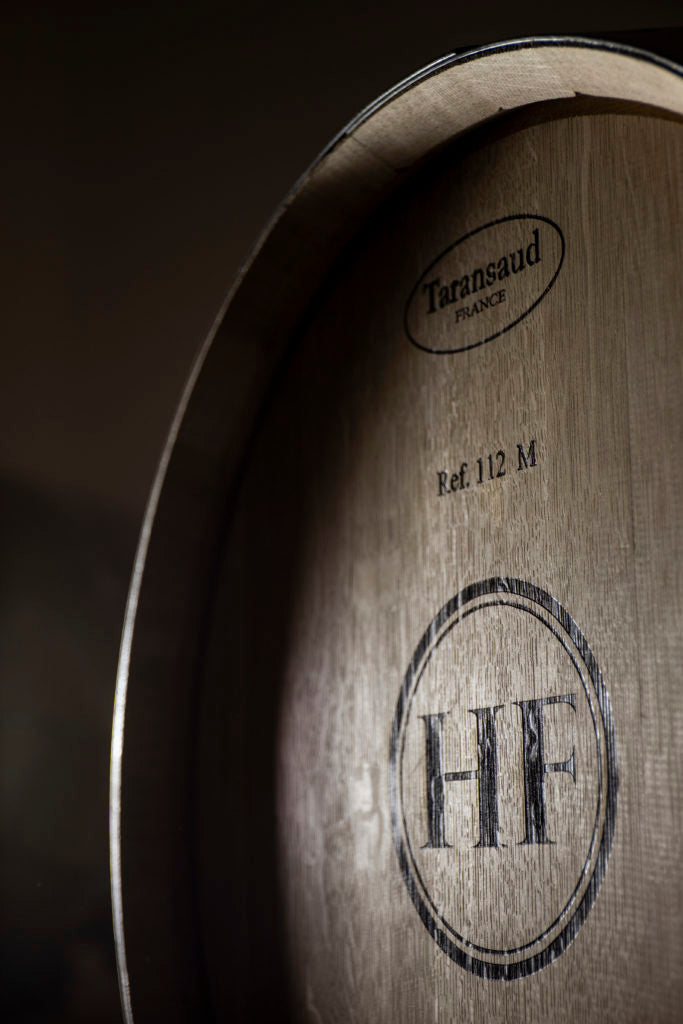
Howard's Folly
Estremoz, AlentejoA winery in a former marble workshop
David Baverstock — the Australian winemaker who helped rewrite Alentejo red wine — makes small-batch bottlings here in the middle of Estremoz. Lunch is served in the barrel room on the way south.
Lunch, day 9Visit website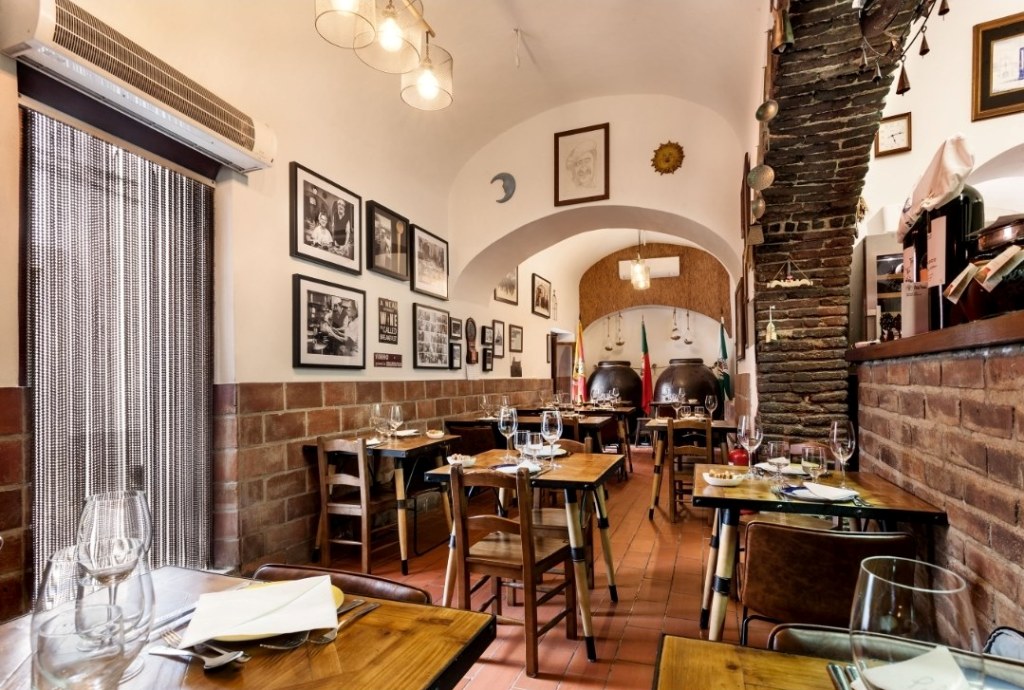
Taberna Típica Quarta-Feira
ÉvoraNo menu, no choice, no disappointment
A tiny Alentejo taberna in the old Moorish quarter where the owner brings what he has cooked — black pork, lamb stew, migas, sheep's cheese — until you ask him to stop. The most purely regional meal of the journey.
Dinner, day 9Visit website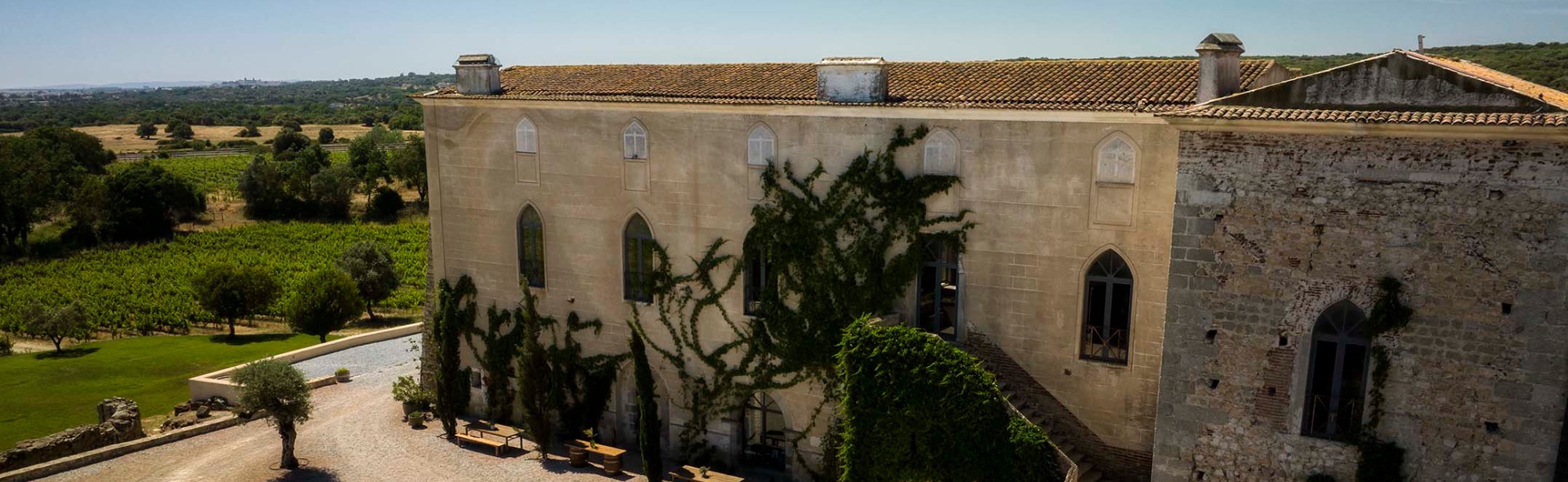
Fitapreta
Paço do Morgado de Oliveira, ÉvoraAmphora wine in a restored medieval palace
António Maçanita's winery occupies a fifteenth-century estate outside Évora, where he ferments in both stainless steel and clay talhas in the Roman manner. Lunch here is the last winery table of the trip.
Lunch, day 10Visit website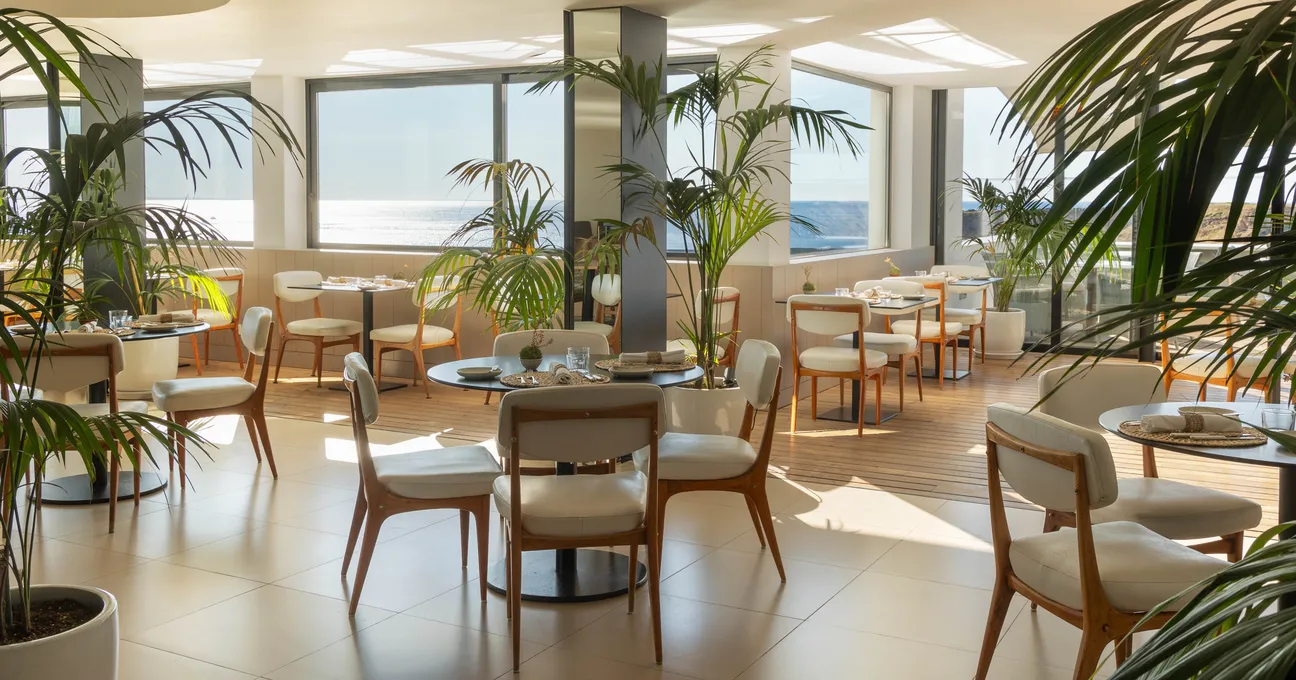
Memmo Bairro Alto
LisbonThe farewell dinner, over the rooftops
A terrace above the tiled roofs with the Tagus beyond it, and the city turning pink behind the bridge. The last evening of the journey, and traditionally the longest.
Farewell dinner, day 10Visit website
At the table together
Long lunches, in the places that make the wine